

How Long Can You Go Without Getting a Root Canal?
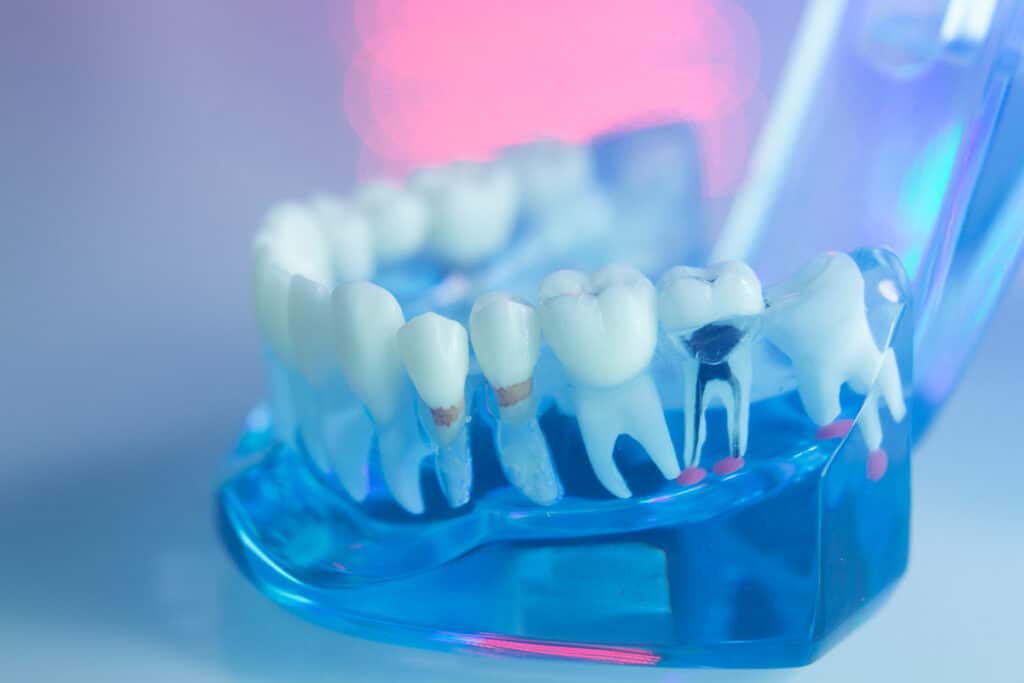
Tooth pain is your body’s way of telling you that something is wrong. Whether the discomfort is sharp, dull, constant, or comes and goes, both present and past tooth pain often point to an active infection inside the tooth. In some cases, that infection spreads quickly. In others, it progresses more slowly, silently damaging the tooth from the inside out until the structure can no longer be saved.
One of the most common questions patients ask is how long they can wait before getting a root canal. The honest answer is that delaying treatment almost always makes the situation worse. The sooner an infected tooth is treated, the better the outcome for your comfort, your oral health, and your overall well being.
Understanding what a root canal is, recognizing the warning signs, and knowing the risks of waiting can help you make an informed decision and protect your smile.
What Is a Root Canal and Why Is It Needed?
A root canal is a specialized dental procedure performed when the pulp inside a tooth becomes infected or inflamed. The pulp contains nerves, blood vessels, and connective tissue that help the tooth develop. Once a tooth is fully formed, it can survive without the pulp, which is why removing infected tissue is both safe and effective.
Pulp damage is commonly caused by deep decay, untreated cavities, cracked or chipped teeth, repeated dental procedures, or trauma to the mouth. Even a crack that is not visible to the eye can allow bacteria to enter the tooth and reach the pulp. Once bacteria reach this inner chamber, the infection can spread down the roots and into the surrounding bone.
During a root canal procedure, the tooth is numbed with local anesthetic to ensure comfort. The infected pulp is carefully removed, and the inside of the tooth is cleaned, disinfected, and shaped. The canals are then filled with a biocompatible material that seals the space and prevents future infection. After the tooth has healed, a crown is typically placed to restore strength, function, and appearance.
Modern root canal therapy is designed to relieve pain, not cause it. In many cases, patients feel immediate relief once the infection is removed.
How Long Can You Safely Delay a Root Canal?
There is no safe amount of time to ignore an infected tooth. While symptoms may fluctuate, the infection itself does not resolve on its own. In some cases, pain may temporarily disappear when the nerve tissue becomes severely damaged. This does not mean the problem is gone. In fact, it often means the infection has progressed further.
The speed at which an infection spreads depends on several factors, including your immune system, the location of the tooth, the type of bacteria involved, and the overall condition of the tooth. Some infections advance rapidly and cause significant pain and swelling within days or weeks. Others may linger for months with minimal symptoms while continuing to damage the tooth and surrounding bone.
Delaying treatment almost always leads to more complex problems, more extensive procedures, and higher costs. Early intervention gives you the best chance of saving your natural tooth and avoiding unnecessary complications.
Signs You May Need a Root Canal
Not all infected teeth cause severe pain right away. This is why regular dental checkups and diagnostic imaging are so important. Still, there are several warning signs that may indicate pulp damage or infection.
Common signs include sensitivity to hot or cold foods and drinks that lingers after the temperature is removed. Pain when chewing or biting down is another red flag. Some patients experience spontaneous pain that occurs without any clear trigger. Discoloration of the tooth may also appear as the inner tissue becomes damaged.
Other symptoms include a loose feeling in the tooth, swelling or tenderness in the gums near the affected area, facial swelling, or a small pimple like bump on the gums that may drain pus. In some cases, there may be no noticeable symptoms at all, which is why professional evaluation is critical.
If you notice any of these signs, it is important to seek care as soon as possible. Early diagnosis can prevent further damage and improve the success of treatment.
Why You Should Never Delay a Root Canal
Root canals have long been associated with fear and discomfort, but advances in technology and techniques have changed that reality. Most patients report that the procedure feels similar to getting a filling and is far less painful than living with an untreated infection.
When a root canal is delayed, bacteria continue to multiply and spread beyond the tooth. This can lead to serious oral and systemic health complications.
One potential risk is the formation of a dental abscess. An abscess occurs when pus collects at the tip of the tooth’s root or in the surrounding tissues. This condition often causes intense pain, swelling, and fever, and it requires emergency dental care.
As infection spreads, pressure and swelling can extend into the face, jaw, neck, and head. In severe cases, the infection may create a pathway to drain into the gums, cheek, or skin. If bacteria enter the bloodstream, a life threatening condition known as sepsis can occur.
Chronic dental infections have also been linked to systemic inflammation, which may increase the risk of heart disease and other health problems. Additionally, prolonged infection can cause bone loss around the tooth, eventually making it impossible to save. At that point, extraction may be the only option.
Delaying a root canal does not eliminate the need for treatment. It often turns a manageable procedure into a more complex and urgent situation.
What Happens If the Tooth Cannot Be Saved?
In some cases, an infection is left untreated for so long that the tooth structure or surrounding bone is too damaged to support a root canal. When this happens, extraction may be necessary. Losing a natural tooth can affect your ability to chew properly, alter your bite, and lead to shifting of nearby teeth.
Replacing a missing tooth may require additional procedures such as dental implants or bridges. These treatments are effective, but they are typically more invasive and costly than preserving the natural tooth with a timely root canal.
Whenever possible, saving your natural tooth is the preferred option. Root canal therapy allows you to maintain normal function and protect the health of your smile.
Do Not Wait to Address Tooth Pain
Whether you are dealing with constant discomfort or occasional twinges of pain, ignoring the problem rarely ends well. Tooth pain is not something to push aside or hope will disappear. It is often a sign of infection that requires professional care.
Scheduling an evaluation as soon as symptoms appear can make a significant difference in the outcome. Early treatment is typically faster, more comfortable, and more successful. If you suspect you may need a root canal, reaching out to an experienced endodontic team is an important first step.
Frequently Asked Questions About Root Canal Treatment
Is a root canal painful?
Root canal treatment is performed under local anesthetic, which keeps you comfortable during the procedure. Most patients find that it relieves the pain caused by the infection rather than causing new discomfort.
What happens if I ignore tooth pain?
Ignoring tooth pain allows infection to spread and can lead to abscesses, bone loss, and even systemic health issues. Delaying care often results in more complicated and costly treatment.
We are Forest Lake Endodontics, a specialty practice dedicated to diagnosing and treating tooth pain and dental infections with precision and care. Our experienced endodontic team uses advanced technology to help patients preserve their natural teeth whenever possible. If you are experiencing tooth pain or have been told you need a root canal, we are here to help. Contact us today to learn more and schedule an appointment.