

5 Signs You Cracked a Tooth
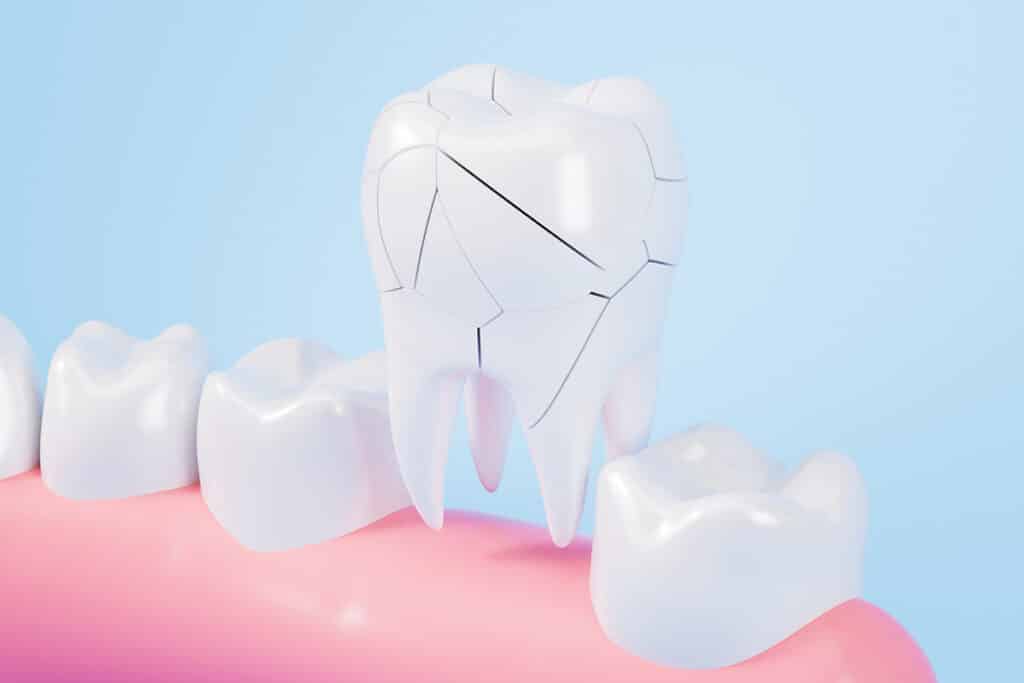
A cracked tooth is more common than many people realize. Teeth are strong, but they are not indestructible. Biting down on hard foods, grinding your teeth at night, old dental work, or a sudden injury can all cause a crack to form. Even patients with excellent oral hygiene can experience this problem.
One of the challenges with cracked teeth is that they are not always easy to see. Some cracks are microscopic and do not show up clearly on X-rays. However, your body often gives you warning signs. Recognizing these symptoms early can make a major difference in saving your tooth and avoiding more serious complications.
1. Tooth Pain That Comes and Goes
One of the most common signs of a cracked tooth is pain that seems unpredictable. You may notice discomfort for a few days, then feel completely fine, only for the pain to return later. This cycle can be confusing and may cause people to delay treatment.
This type of pain happens because the crack may intermittently irritate the nerve inside the tooth. When pressure is placed on the tooth or when temperature changes occur, the nerve reacts. Once the irritation subsides, the pain fades, at least temporarily. Unfortunately, the crack does not heal on its own, and the symptoms often return and worsen over time.
2. Pain When Chewing or Biting Down
If you feel a sharp pain when chewing food or biting down, especially on something firm, a cracked tooth could be the cause. Many patients report that the pain occurs only during chewing and disappears when pressure is released.
This happens because biting causes the crack to open slightly, exposing the sensitive inner layers of the tooth. When you stop chewing, the crack closes again, reducing irritation. Pinpointing the exact tooth can be difficult, but persistent discomfort in one area of the mouth should never be ignored.
3. Sensitivity to Hot, Cold, or Sweet Foods
Extreme sensitivity is another warning sign of a cracked tooth. If you experience sudden twinges when drinking cold beverages, eating hot foods, or consuming sugary items, there may be a crack allowing stimuli to reach the tooth’s nerve.
Tooth enamel normally protects the inner layers of the tooth. When a crack forms, that protection is compromised. Sensitivity may start out mild but can become more intense as the crack deepens or bacteria enter the tooth.
4. Swollen or Tender Gums Near a Tooth
Cracked teeth are more vulnerable to infection. Bacteria can travel through the crack and infect the dental pulp, which is the soft tissue inside the tooth. When this happens, the surrounding gum tissue may become swollen, sore, or tender.
In more advanced cases, an abscess may form. This can look like a small bump or pimple on the gums and may be accompanied by a bad taste in your mouth. Swelling around a single tooth is a sign that requires prompt evaluation by an endodontic specialist.
5. Unexplained or Hard to Locate Pain
Some cracked teeth cause pain that is difficult to pinpoint. Instead of discomfort in one specific tooth, you may feel a dull ache across one side of your mouth or jaw. This type of pain can be frustrating and is often mistaken for sinus issues or general jaw discomfort.
Because cracks are not always visible, diagnosis requires a trained eye and specialized tools. Persistent pain without an obvious cause is often a clue that a crack is present somewhere below the surface.
How Cracked Teeth Are Diagnosed
Diagnosing a cracked tooth can be challenging. During your visit, an endodontist will review your symptoms, examine your bite, and use imaging and diagnostic tools to locate the problem. Special instruments may be used to apply pressure to specific teeth to identify where the pain originates.
Early diagnosis is critical. The sooner a cracked tooth is identified, the better the chances of preserving it and preventing infection or tooth loss.
Cracked Teeth Treatment Options
Treatment depends on the location and severity of the crack. In many cases, cracked teeth can be saved with timely care. When the crack is limited to the crown of the tooth and has not extended below the gum line, cracked teeth treatment often involves root canal therapy followed by a dental crown. This approach removes infected pulp, seals the tooth, and reinforces it to prevent the crack from spreading.
If the crack extends beneath the gum line or affects the root, the tooth may not be restorable. In these situations, extraction may be necessary to protect surrounding teeth and bone. Your endodontist will always focus on saving the natural tooth whenever possible.
Why Prompt Treatment Matters
Delaying care for a cracked tooth can lead to serious complications. Bacteria can enter the tooth and cause infection, resulting in severe pain, swelling, and even bone loss. What starts as a small crack can progress to a split tooth that cannot be repaired.
Early treatment not only increases the likelihood of saving the tooth but also reduces discomfort and treatment complexity. Seeing an endodontist at the first sign of trouble is the best way to protect your oral health.
When to See an Endodontist
Endodontists specialize in diagnosing and treating problems inside the tooth. If you experience ongoing tooth pain, sensitivity, or swelling, it is important to seek care from a specialist who has advanced training in managing cracked teeth.
At Forest Lake Endodontics, patients receive focused care designed to relieve pain and preserve natural teeth whenever possible. Even cracks that are difficult to detect can often be identified and treated successfully with the right expertise.
Protecting Your Teeth From Cracks
While not all cracked teeth can be prevented, there are steps you can take to reduce your risk. Avoid chewing on ice or hard objects, wear a mouthguard if you grind your teeth, and address dental issues such as large fillings or bite problems promptly.
Regular dental checkups also play a key role in identifying early signs of wear or damage. Preventive care helps keep your teeth strong and minimizes the chances of unexpected fractures.
Take Action Before a Small Crack Becomes a Big Problem
Cracked teeth rarely improve on their own. Paying attention to warning signs and seeking professional care can make the difference between saving a tooth and losing it. If you suspect a crack, early evaluation provides the best chance for successful treatment and long-term oral health.
Frequently Asked Questions About Cracked Teeth
Can a cracked tooth heal on its own?
No. Once a tooth is cracked, it cannot heal itself. Professional treatment is needed to stabilize the tooth and prevent further damage or infection.
Is a cracked tooth always painful?
Not always. Some cracked teeth cause mild or intermittent symptoms, while others may be painful only when chewing. Even painless cracks should be evaluated to avoid future complications.
At Forest Lake Endodontics, we specialize in diagnosing and treating complex tooth pain, including cracked teeth that are difficult to detect. Our goal is to relieve discomfort while preserving your natural teeth whenever possible. If you are experiencing symptoms of a cracked tooth, we encourage you to contact us today for expert care.